
Love is in the Air… for Termites
What Every Tenant, Owner, and Property Manager Should Know About Termite Season
Charleston in springtime is an amazing place — flowers in bloom, perfect beach weather, and everyone out enjoying the Lowcountry. Unfortunately, it’s also the time of year when termites begin their annual swarm. May is termite swarming season in Charleston, and while not every swarm means your property is at risk, knowing what to look for can save you from costly repairs down the road.
Vic Hainline with Truly Nolen Pest Control breaks down what you need to know.
The Lowcountry’s Termite Problem
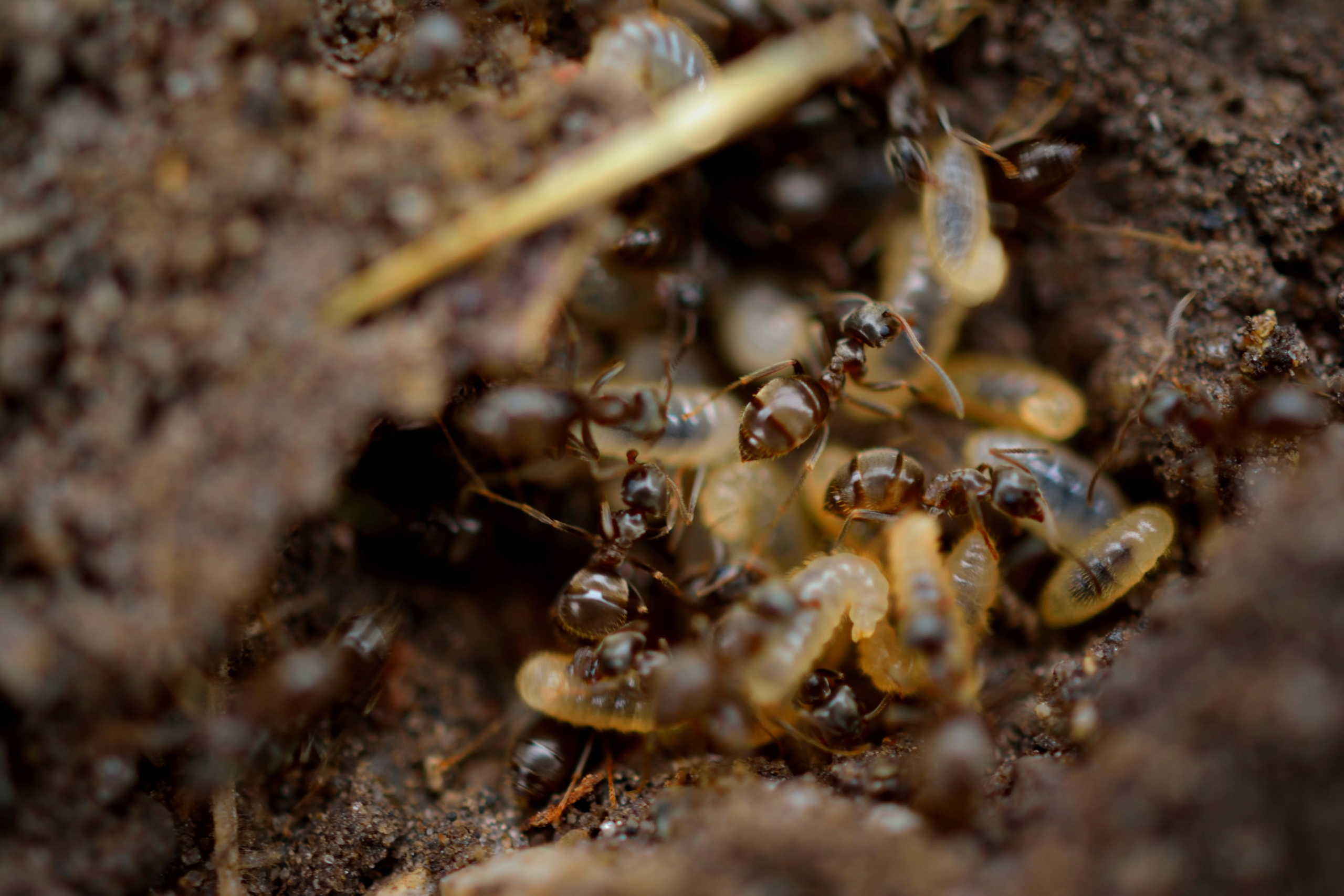
Eight different species of termite call the Lowcountry home. Most are relatively harmless, but two of them pose a serious risk to property owners:
- Eastern Subterranean Termites
- Formosan Subterranean Termites
Both species live throughout the entire Charleston area and are among the most destructive pests a homeowner can face. These are not a “do-it-yourself” situation — professional pest management is essential.
💡 Prevention is the key. Ongoing inspection and treatment are far less costly than repairs after the damage is done.
Signs Renters Should Watch For
As a tenant, you may be the first person to notice signs of termite activity. Here’s what to look out for:
- Termite swarmers — winged termites emerging in large groups
- Piles of shed wings — left behind after swarmers land
- Changes to trim and boards — warping, bubbling, or soft spots
- Pinholes in drywall — small holes that appear without explanation
- Mud-like shelter tubes — pencil-sized tunnels along walls, foundations, or beams
⚠️ If you notice any of these signs, contact your property manager immediately for an inspection. Don’t wait — termite damage spreads quickly.
What Property Owners Can Do
Termite control is a partnership between the property owner and a pest management professional. While the pest company handles treatments and scheduled inspections, owners can help by:
- Eliminating water issues — leaks, standing water, and moisture attract termites
- Removing wood-to-ground contact — wood mulch, lumber, or debris near the foundation creates easy access
- Notifying your termite provider of any new construction or changes to the structure of the home
📋 Regular inspections are the best defense. Make sure your property is under an active termite bond with a licensed pest professional.
A Note on Swarming
Not every swarm means your home is infested. Swarming is simply how termites reproduce and establish new colonies — swarmers are attracted to light and often appear near windows and doors. Each swarm behaves differently depending on rain, temperature, and time of sunset.
That said, a swarm near or inside your home is always worth investigating. When in doubt, call a professional.
For questions about pest-related maintenance at your rental property, contact TeamWork Property Management. We’re here to help coordinate inspections and connect you with trusted pest professionals in the Charleston area.