The Most Common Maintenance Issues in Charleston Rentals
Common maintenance challenges for Charleston rental properties
Owning a rental property in Charleston comes with real rewards — but the region’s humid climate, coastal storms, and aging housing stock mean maintenance can’t be an afterthought. Staying ahead of the most common issues protects your investment, keeps repair costs manageable, and goes a long way toward keeping good tenants happy and in place.
Here’s what Charleston landlords deal with most often, and how to get ahead of each one.
1. HVAC system problems
Charleston’s hot, humid summers put serious strain on air conditioning units. HVAC is consistently one of the top maintenance calls landlords receive — and one of the most expensive when ignored.
Common issues to watch for:
- Clogged filters reducing airflow and efficiency
- Refrigerant leaks causing poor cooling
- Frozen coils from restricted airflow
- Broken or miscalibrated thermostats
💡 Schedule biannual HVAC inspections, replace filters regularly, and ask tenants to report any changes in cooling performance before a small issue becomes a full system failure.
2. Mold and mildew growth
High humidity year-round means mold and mildew can develop quickly — especially in poorly ventilated spaces. Left unchecked, it becomes a health concern and a significant repair expense.
Most commonly found in:
- Bathrooms and kitchens
- Basements and crawl spaces
- Around HVAC systems and ductwork
⚠️ Ensure proper ventilation throughout the property, use dehumidifiers where needed, repair leaks promptly, and educate tenants on keeping indoor humidity levels in check.
3. Plumbing issues and leaks
Between aging plumbing in Charleston’s historic homes and the frequency of heavy rainstorms, water damage is a major concern for local landlords.
Common culprits:
- Leaky faucets and running toilets
- Clogged drains from improper use
- Pipe bursts during cold snaps or from age-related wear
📋 Conduct regular plumbing inspections, install leak detectors in high-risk areas, and let tenants know what not to put down the drain — grease disposal in kitchen sinks is a frequent offender.
4. Roofing and gutter damage
Heavy rain and hurricane season are facts of life in the Lowcountry. Roofs and gutters take the brunt of it.
Watch out for:
- Missing or damaged shingles after storms
- Roof leaks that go unreported
- Clogged gutters leading to water pooling and foundation issues
- Overhanging tree branches dropping debris
💡 Inspect roofs and gutters after significant storms, keep gutters clear through the season, and trim back any trees close to the structure.
5. Pest infestations
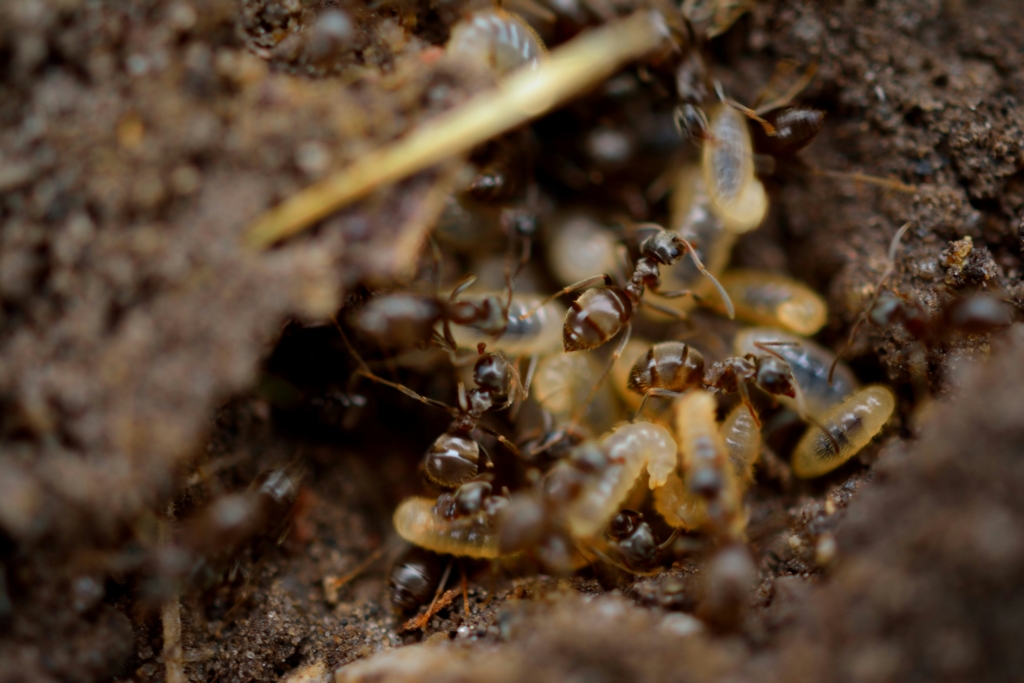
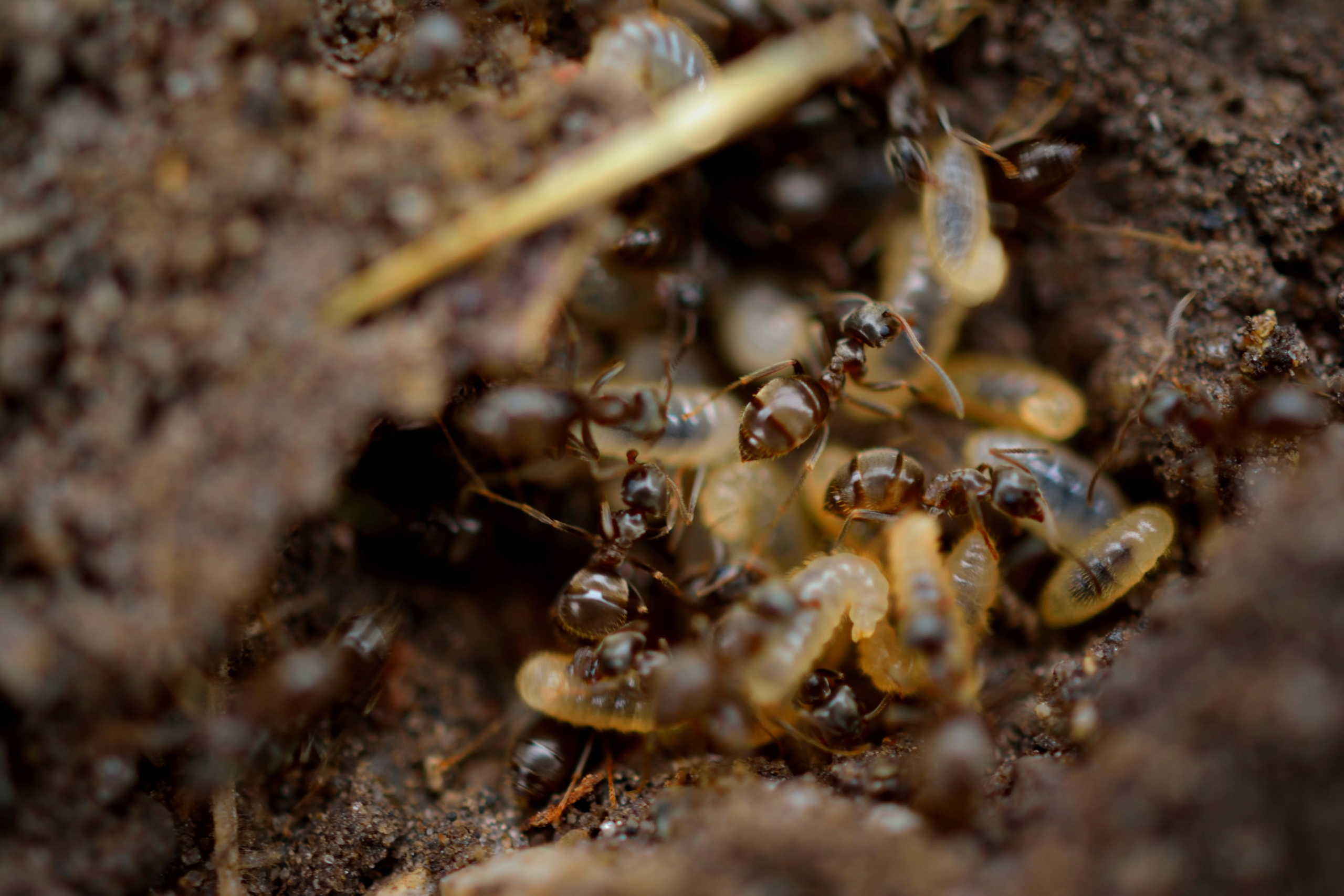
Charleston’s warm, humid climate is a haven for pests — and termites in particular are a serious and costly threat to local properties.
Most common infestations:
- Termites (a major issue throughout the Lowcountry)
- Cockroaches and ants
- Rodents, especially in older structures
⚠️ Routine pest control treatments are essential, not optional, in this market. Seal cracks around doors and windows, eliminate standing water near the property, and make sure your property is under an active termite bond.
6. Saltwater and coastal weather damage
Properties near the coast age differently. Salt air, high winds, and moisture accelerate wear on materials and fixtures that would last much longer inland.
Common issues:
- Rusted metal fixtures and corroded pipes
- Faded or peeling exterior paint
- Weakened structural components over time
📋 Use weather-resistant materials wherever possible, apply protective coatings to exposed metal fixtures, and repaint exteriors on a regular schedule rather than waiting for visible deterioration.
7. Electrical issues
Many of Charleston’s older and historic homes were built long before modern electrical loads were a consideration. Outdated wiring is a real concern — and a potential liability.
Common signs of trouble:
- Frequently tripped breakers
- Flickering or dimming lights
- Faulty or ungrounded outlets
💡 Have a licensed electrician inspect older properties before issues arise. If the system hasn’t been updated in decades, it’s worth investing in upgrades — both for safety and for the quality of tenant you’ll attract.
8. Foundation and structural concerns
Charleston’s coastal location, combined with occasional flooding and soil movement, means foundation issues can and do occur — often gradually, and easy to miss until they’ve worsened.
Signs to look for:
- Cracks appearing in interior or exterior walls
- Uneven floors or sloping
- Doors and windows that stick or no longer close properly
⚠️ Routine property inspections are your best defense. Proper drainage systems around the foundation are a worthwhile investment, and early intervention on any structural concern is always far less costly than waiting.
Stay ahead of it — or let us handle it
Proactive maintenance is what separates landlords who grow their investment from those who feel like they’re constantly putting out fires. The good news is that most of these issues are very manageable with the right systems and partners in place.
At TeamWork Property Management, we coordinate routine inspections, maintain relationships with trusted local vendors, and handle maintenance issues before they escalate — so you don’t have to.
📞 Contact us today to learn how we keep Charleston rental properties in top shape year-round.